Functional medicine for rheumatoid arthritis and daily life
Rheumatoid arthritis is more than joint pain. It’s an autoimmune disease in which the immune system attacks the joints and causes inflammation. Functional medicine for rheumatoid arthritis considers how genetics, environment, and lifestyle may relate to symptoms, alongside the disease’s effects on the joints.
If you’re living with stiffness, swelling, or fatigue, it makes sense to want more than a label for what’s happening. Learn how rheumatoid arthritis commonly presents, how gut health and daily habits may relate to inflammation, and what to consider when conventional medications are part of your care. This approach doesn’t mean stopping prescribed treatment or replacing medical care. It offers another perspective on factors that may shape your day-to-day experience and questions to discuss with your healthcare team.
We’ll cover rheumatoid arthritis and its symptoms, then explore gut health, food, movement, stress, sleep, and medication considerations. The aim is to clarify how these factors fit into daily life.
Table of Contents
What is rheumatoid arthritis?
Rheumatoid arthritis is an autoimmune disease: the immune system mistakenly attacks joint tissue, causing inflammation. This can affect more than comfort. Persistent inflammation may damage joints and interfere with everyday tasks, such as opening a jar or walking downstairs. Functional medicine for rheumatoid arthritis considers how genetics, environment, and lifestyle may interact, alongside established medical care.
Nutrition is one area people may explore. Gluten, dairy, and refined sugars are sometimes considered potential inflammatory triggers, but effects can differ from person to person. Instead of removing several food groups indefinitely, record meals and symptoms, then discuss a structured elimination and reintroduction plan with a qualified clinician. This can help distinguish a personal pattern from coincidence.
Build meals around examples of anti-inflammatory foods: oily fish, berries, leafy greens, nuts, seeds, turmeric, ginger, green tea, and olive oil. These foods contribute useful nutrients, including omega-3 fatty acids and antioxidants. Drink water regularly as part of ordinary daily care; hydration supports general body function, but it does not treat autoimmune inflammation or replace rheumatoid arthritis treatment.
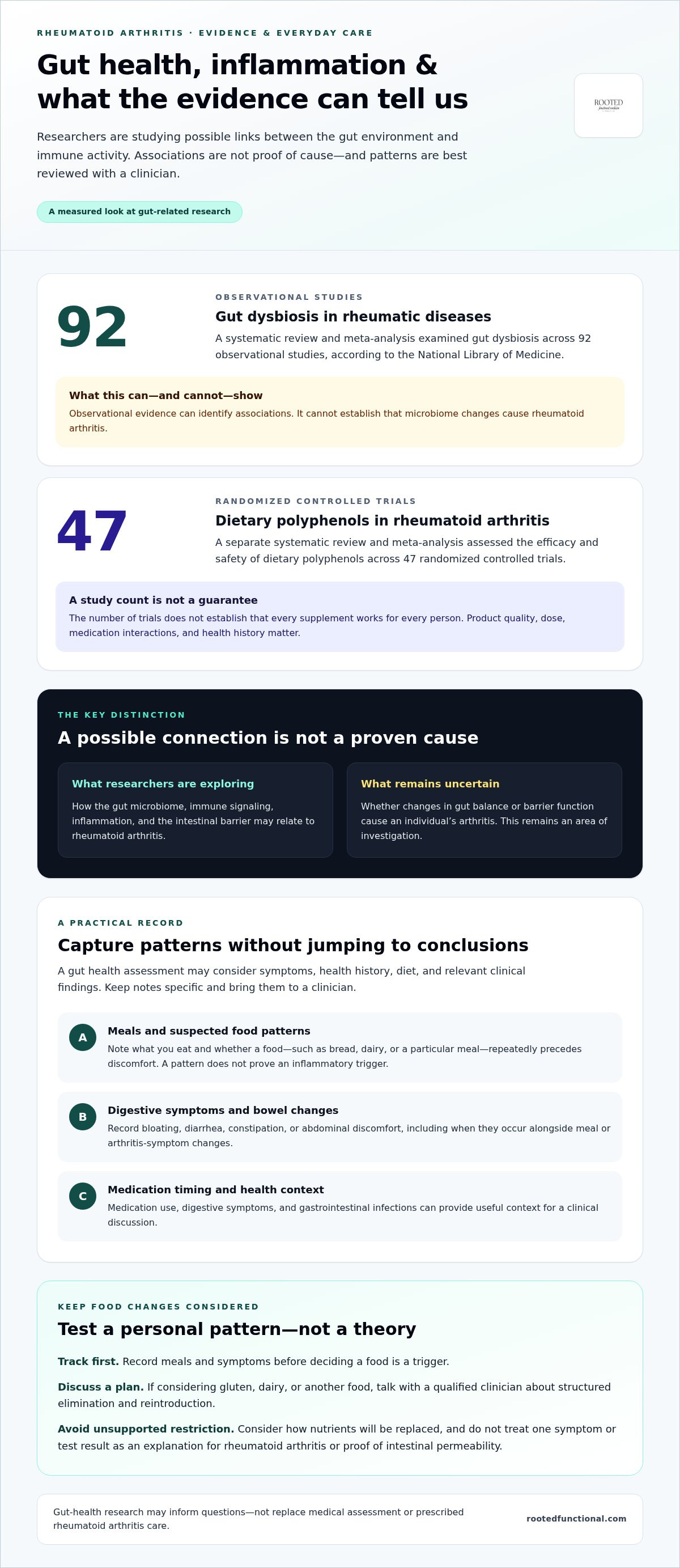
Supplements deserve the same careful approach as food changes. Omega-3 fatty acids and curcumin, found in turmeric, are discussed for inflammation support, while collagen is also explored. A systematic review and meta-analysis assessed the efficacy and safety of dietary polyphenols in rheumatoid arthritis across 47 randomized controlled trials, according to the National Library of Medicine. That study count does not establish that every supplement works for every person. Product quality, dose, medication interactions, and health history all matter, so avoid starting a supplement routine without clinical guidance.
How do functional and integrative medicine differ for rheumatoid arthritis? Functional medicine commonly investigates possible contributing factors, including diet, digestion, stress, and environmental exposures. Integrative medicine combines conventional care with selected complementary approaches, such as nutrition support, while considering the patient’s broader care needs.
How much does it cost in the United States, and does insurance cover it? Cost depends on the clinician’s services, visit length, testing, and follow-up, with pricing provided after a quote request. Insurance coverage varies by plan and service, so review your benefits for consultations, laboratory testing, and nutrition care.
How do you find a qualified functional medicine doctor for rheumatoid arthritis in the United States? Look for a licensed clinician with relevant training and experience supporting autoimmune conditions. Favor someone who reviews your history and medications, explains the evidence and limits of proposed tests or supplements, and coordinates care rather than advising you to stop prescribed treatment.
Gut health and intestinal permeability
The gut microbiome comprises microorganisms in the digestive tract and the intestinal lining. Researchers are studying how changes in this environment may relate to immune activity and rheumatoid arthritis.
Gut Health and the Microbiome
The gut microbiome is a community of bacteria and other microorganisms that interacts with digestion and immune function. Its balance may matter because immune responses involve more than the joints. A systematic review and meta-analysis examined gut dysbiosis in rheumatic diseases across 92 observational studies, according to the National Library of Medicine. Observational evidence can reveal associations, but it cannot establish that microbiome changes cause rheumatoid arthritis.
Gut Health and Disease Risk
Gut health and disease risk may be connected through immune signaling, inflammation, and the intestinal barrier. Permeability describes how readily substances pass through that lining. Changes in barrier function may expose the immune system to different signals, but this remains an area of investigation, not proof of an underlying cause of an individual’s arthritis. Gastrointestinal infections, digestive symptoms, and medication use can provide context when discussing possible contributors.
Assessing Gut Health
A gut health assessment considers symptoms, health history, diet, and relevant clinical findings. For example, note whether bloating, diarrhea, constipation, or abdominal discomfort occurs alongside changes in meals or arthritis symptoms. A clinician can use this history to identify patterns and decide whether further evaluation is appropriate. No single symptom or test result, considered alone, explains rheumatoid arthritis or confirms intestinal permeability.
Keep your record practical. Note foods, digestive symptoms, bowel changes, and medication timing, then bring the information to an appointment. If bread, dairy, or a particular meal repeatedly precedes discomfort, describe the pattern rather than assuming it proves an inflammatory trigger. Specific details help a clinician assess the pattern and avoid unnecessary long-term food restrictions.
Food sensitivity testing may be one part of a broader discussion about suspected food reactions. It does not replace medical assessment of digestive symptoms, infections, or rheumatoid arthritis. Before removing foods such as gluten or dairy, consider how you’ll replace their nutrients and evaluate the change. A clear plan helps distinguish a useful adjustment from an unsupported restriction.
For a focused review of digestive symptoms and possible food patterns, you can book a root-cause consultation. Bring your food and symptom notes, medication list, and questions about gut health. That information can help shape a discussion of next steps while keeping rheumatoid arthritis care and digestive concerns in view.
Lifestyle strategies for mobility and stress
Rheumatoid arthritis can make daily activities harder when pain and stiffness disrupt familiar routines. A supportive lifestyle plan focuses on manageable movement, restorative sleep, stress care, and nutrition. These habits can support wellbeing, but they don’t replace medical treatment for an autoimmune disease.
Chronic stress may affect the body’s stress response and promote inflammation. It can also make sleep, meal preparation, and staying active more difficult, creating a challenging cycle. Track stressful events alongside changes in sleep, stiffness, and energy. This record can help you notice patterns without assuming stress alone caused a flare-up.
Gentle movement can help maintain mobility and joint function. Choose an activity that suits your symptoms and energy that day. Options include walking, yoga, tai chi, stationary bicycling, water aerobics, swimming, and Pilates. Stretching can also help ease you into movement after rest. Listen to your body and avoid overexertion; reduce intensity or pause if an activity makes symptoms harder to manage. A practical routine might pair a short walk with gentle stretches, building consistency before adding effort.
Sleep helps the body cope with inflammation and daily demands. A calming bedtime routine might include less screen time before bed, dimmer lights, and setting aside work or household tasks. If pain disrupts sleep, note when it happens and which joints feel uncomfortable. Sharing these details can help your healthcare team consider how symptoms and rest interact.
Stress management works best when it fits real life. Try brief meditation, mindful breathing, or a quiet break after a demanding activity. Yoga and tai chi combine gentle movement with attention to breathing, while relaxation practices can create space between stress and your next task. Self-care isn’t a reward you have to earn; it’s part of living with a chronic condition.
Build a routine around repeatable choices: walk after breakfast, stretch before getting dressed, or do something relaxing before bed. Pair movement with balanced nutrition, such as a meal with vegetables, whole grains, and a protein source. When symptoms change, adapt the activity rather than abandoning the plan. Small adjustments can keep mobility, rest, and stress resilience in view.
Rheumatoid arthritis symptoms and systemic effects
Rheumatoid arthritis symptoms can involve several joints and sometimes affect health beyond them. Recognizing patterns, such as morning stiffness or symptoms on both sides, helps make changes clearer to discuss with a healthcare professional.
Common Rheumatoid Arthritis Symptoms
Rheumatoid arthritis commonly causes joint pain, swelling, stiffness, and fatigue. Morning stiffness or stiffness after inactivity lasts at least 30 minutes, and pain often improves with movement. These symptoms can make ordinary tasks, such as fastening buttons or gripping a mug, more difficult. Recording when symptoms begin and which joints feel affected gives useful detail for a medical assessment.
The small joints of the hands, wrists, feet, and ankles are commonly affected. Symptoms usually involve matching joints on both sides of the body, such as both wrists or hands. Knees, elbows, and shoulders can also be affected, while the spine is rarely involved. Note changes in swelling or stiffness across these areas, not just pain.
Systemic Effects and Complications
Systemic effects are symptoms or health changes that extend beyond the joints. Around 40% of people with rheumatoid arthritis experience signs affecting other parts of the body. Fatigue, loss of appetite, and fever can occur alongside joint symptoms. This broader picture matters because a patient’s experience may not be captured by joint pain alone.
Ongoing inflammation can affect daily function as well as joint tissue. If rheumatoid arthritis isn’t treated, it can worsen, affect more joints, and lead to further damage and disability, according to the National Institute of Arthritis and Musculoskeletal and Skin Diseases (NIAMS). Report persistent or progressing changes in walking, hand strength, or routine activities.
Rheumatoid arthritis cannot be attributed to one lifestyle choice. It involves an immune response against the body’s joints, while genetics, environmental exposures, and lifestyle may interact. Smoking is a strong risk factor, but having a risk factor does not explain why one person develops the disease. Symptoms are not evidence of personal failure.
Keep a simple symptom record: which joints hurt, whether both sides are involved, how long morning stiffness lasts, and whether movement changes it. Include fatigue, fever, or appetite changes, and note effects on activities such as walking or preparing food. These details help a clinician assess the pattern and its impact over time, rather than relying on one difficult day.
Conventional medications and potential side effects
Rheumatoid arthritis treatment can include medication, monitoring, and supportive lifestyle care. Understanding each part helps you discuss benefits, risks, and personal priorities with your healthcare team.
Common medication groups include nonsteroidal anti-inflammatory drugs (NSAIDs), steroids, and disease-modifying antirheumatic drugs (DMARDs). Ibuprofen, naproxen, and meloxicam are NSAIDs used to manage pain. These medication groups have different purposes and risk profiles, so relevant questions depend on the specific drug, your medical history, and other medicines you take.
Ask how treatment progress will be assessed. The clinical approach described in the research recommends reviewing symptoms and/or repeating laboratory testing after 6-8 weeks to monitor progress and guide management. Track changes in pain, swelling, stiffness, and daily function between appointments. Share new symptoms and medication concerns rather than changing or stopping a prescription on your own.
Rheumatoid arthritis and its treatment may be associated with increased osteoporosis risk. Bone health is therefore worth discussing, particularly if steroids are part of your care. Ask how your health history affects your risk and what monitoring is appropriate. The aim is an informed plan, not avoiding treatment without considering the consequences.
A functional medicine approach can complement conventional care through attention to nutrition, activity, stress, and other factors that shape daily wellbeing. Foods containing protein and omega-3 fatty acids can fit into a balanced eating pattern, but nutrition does not replace medication that controls rheumatoid arthritis. Share supplements and dietary changes with your healthcare team, since combining them with prescribed treatment requires a complete view of your care.
What should I ask a functional medicine practitioner before starting treatment? Ask how the plan works alongside prescribed medicines, what evidence supports each recommendation, and how progress will be measured. Discuss testing, supplement interactions, and who will coordinate communication with your medical team.
What are the risks of delaying conventional rheumatoid arthritis treatment for alternative or functional medicine? Untreated rheumatoid arthritis can worsen, affect more joints, and lead to further damage and disability, according to the National Institute of Arthritis and Musculoskeletal and Skin Diseases (NIAMS). Complementary care should not delay assessment or replace prescribed treatment.
For support considering lifestyle factors alongside your existing care, book a consultation to discuss your health concerns. Bring your medication list, recent test results, and questions about nutrition or supplements. That context can help make the conversation specific to your needs and keep your care plan coordinated.
Rooted Functional Medicine: Healing Neuropathy Webinar
Rooted Functional Medicine offers the Healing Neuropathy Webinar for people seeking to learn about neuropathy and its possible root causes. Neuropathy is distinct from rheumatoid arthritis, so the webinar is not a substitute for rheumatoid arthritis care. For support focused on autoimmune concerns, the Autoimmune Solutions Program may be more relevant. A Root Cause Consultation can also help you discuss your health history and concerns through a personalized functional medicine lens. Keep prescribed rheumatoid arthritis treatment and medical follow-up in view as you consider complementary support. Learn more or book a consultation through the online calendar at rootedfunctional.com.
Choose a Next Step That Fits Your Needs
Living with rheumatoid arthritis can mean weighing many options at once. Start by identifying the questions you most want answered, such as how symptoms affect your priorities or how lifestyle support might fit alongside current care. A focused conversation can help turn those concerns into a clearer plan.
For people exploring functional medicine for rheumatoid arthritis, Rooted Functional Medicine offers a Root Cause Consultation and the Autoimmune Solutions Program. The Healing Neuropathy Webinar focuses on neuropathy rather than rheumatoid arthritis. These offerings address different needs, so consider which topic best matches the support you’re seeking.
You don’t need every answer before taking a next step. Bring your questions and the concerns that matter most to you.
Contact Rooted Functional Medicine to discuss your next step. A thoughtful, informed conversation can help you move forward with greater clarity.
Frequently Asked Questions
How do I treat patients with RA?
Rheumatoid arthritis care should be guided by a qualified healthcare professional, with treatment tailored to disease activity, symptoms, health history, and patient priorities. A care plan may include disease-modifying antirheumatic drugs, symptom management, and support for daily function. Review changes over time, including new joint limitations or medication concerns, and coordinate complementary nutrition or lifestyle support with established medical care.
What are the symptoms of RA?
Rheumatoid arthritis can cause joint pain, swelling, stiffness, and fatigue. Symptoms often affect joints on both sides of the body, and stiffness may be especially noticeable after waking or resting. Record which joints are affected, how symptoms change during the day, and which activities become harder. This can give a healthcare professional a clearer picture than a general description of pain.
What is functional medicine for rheumatoid arthritis?
Functional medicine for rheumatoid arthritis considers how factors such as health history, environment, diet, digestion, and daily habits may relate to a person’s health. It can add a broader perspective to discussions about symptoms and supportive care. It does not replace diagnosis or appropriate medical treatment. Ask how each recommendation relates to your specific concerns and care plan.
What does research say about functional medicine approaches to rheumatoid arthritis?
Research examines specific approaches, such as nutrition and gut microbiome patterns, rather than proving that functional medicine as a whole treats rheumatoid arthritis. Findings about a particular food, supplement, or biological association do not establish that it works for every patient or changes disease progression. Evaluate each recommendation on its evidence, safety, and relevance to your health, and be cautious of claims promising a cure.
Can functional medicine replace DMARDs or other standard rheumatoid arthritis treatments?
No. Functional medicine should not replace disease-modifying antirheumatic drugs (DMARDs) or other prescribed rheumatoid arthritis treatment. Delaying or stopping appropriate care can allow the disease to worsen, affect more joints, and cause further damage, according to the National Institute of Arthritis and Musculoskeletal and Skin Diseases (NIAMS). Discuss complementary approaches with your healthcare team before changing medication, even if symptoms temporarily improve.
What tests do functional medicine doctors order for rheumatoid arthritis, and are they evidence-based?
Testing depends on the clinical question. A clinician may review existing laboratory results and other evaluations used to assess rheumatoid arthritis, then consider whether additional testing could inform care. Ask what a proposed test measures, how reliable it is for your situation, and what action its result could change. Testing is most useful when its purpose is clear and results are interpreted alongside symptoms and medical history.
Which diets and supplements may help rheumatoid arthritis, and what are the risks or interactions?
An eating pattern featuring oily fish, berries, leafy vegetables, nuts, seeds, and olive oil can provide a range of nutrients. Omega-3 supplements and turmeric compounds are also discussed for inflammation support, but benefits vary and supplements can cause unwanted effects or interact with medicines. Share your full supplement and medication list with your healthcare professional before starting anything, and avoid restrictive diets without a nutritionally sound plan.